
Selling on Amazon can be profitable, but it’s important to keep your seller account in good standing. Many sellers get so focused on filling orders and moving up the ranks that they neglect amazon account health and compliance. Ignoring even the smallest account health or compliance issue can lead to account warnings, listing removals, and potentially account suspensions. A suspended seller account means an immediate end to your sales, a permanent mark on your online reputation, and potentially months of recovery to sort things out.
In this study you will learn all things of account health compliance, from key Amazon account health metrics to the most frequently violated suspension policies and effective methods to ensure your seller account remains in good standing.
Why Amazon Account Health Matters?
Neglecting account health can have direct effects on your business. Amazon will impose account health rules upon you, and excess violations will lead to account health restrictions. Sellers that report their account health routinely experience fewer problems and find it easier to get through their account health issues.
Having a strong account health rating enables a seller to:
- Safeguard their account against suspension.
- Keep their sales and rankings from being affected.
- Get their customers to trust their business through positive comments.
- Keep their listings viewable instead of deactivated.
- Get a better chance at being the seller of the Buy Box.
- Help the long-term growth of the business through all of these factors.
Key Amazon Account Health Metrics You Must Monitor
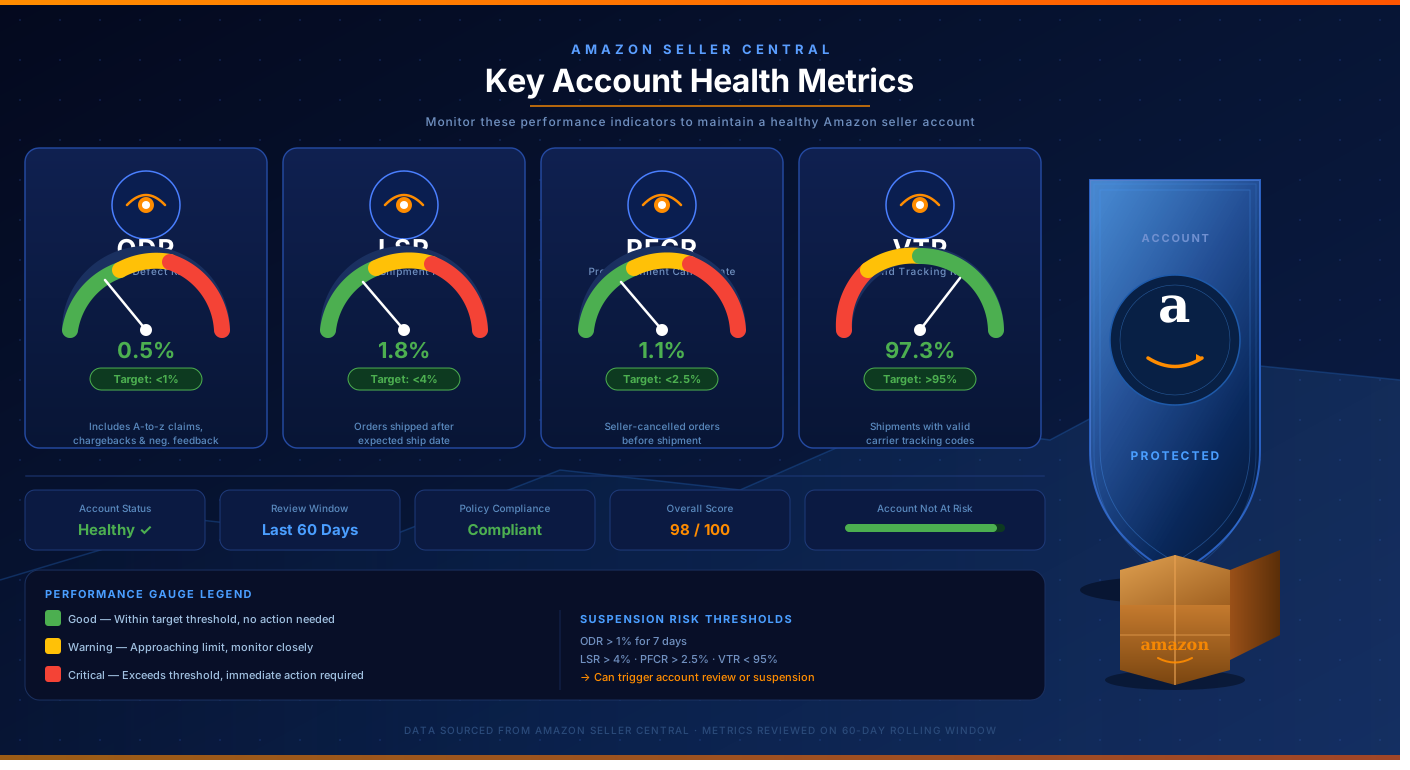
1. Order Defect Rate (ODR)
Successfully meeting customer expectations can be a tricky task. An ODR is determined by customer feedback, A-to-Z Guarantee claims, and even chargebacks. Amazon mandates that the ODR be less than 1%. High ODRs indicate bad customer service and threaten your account.
How To Lower ODR
- Ship orders on time
- Respond to customer inquiries
- Use precise product info
- Enhance product offerings
- Address customer concerns
2. Late Shipment Rate
This tracks the percentage of orders that are said to have been shipped late. Amazon demands that this number stay under 4%.Having this number high shows that you are bad at fulfilling orders and shows customers that you have bad customer service.
How To Keep This Under 4%
- Manage your inventory well
- Use trusted delivery companies
- Set the right handling times
- Don’t sell out all your inventory
- Check your orders every day
3. Pre-Fulfillment Cancellation Rate
This measures how often sellers cancel orders before they are shipped. Amazon says this has to stay under 2.5%. This is usually a result of inventory management or bad order management.
How To Lower This Number
- Set your inventory level correctly
- Use tools for inventory
- Don’t sell products that are in backorder
- Check product levels often
4. Valid Tracking Rate
Amazon says sellers must provide tracking for all their shipments. Having tracking that is low indicates that you have trust issues. This could cause problems with your account.
Things To Help with Valid Tracking Rate
- Upload tracking information correctly and on time
- Write and adhere to the best practices of the delivery company you are using
- Check the tracking information before it gets sent.
Common Amazon Policy Violations That Cause Suspensions
Amazon has established marketplace policies to earn customers’ trust and protect them from the bad buys. A seller may lose a listing, be warned, or be suspended for even the smallest policy violation. Even minor policy violations may have severe repercussions. A lot of sellers unknowingly violate policies. For this reason, knowing the policy violations and the repercussions of each is crucial.
Below are Amazon policy breaches that commonly cause account suspensions and hurt sellers’ performance on the platform:
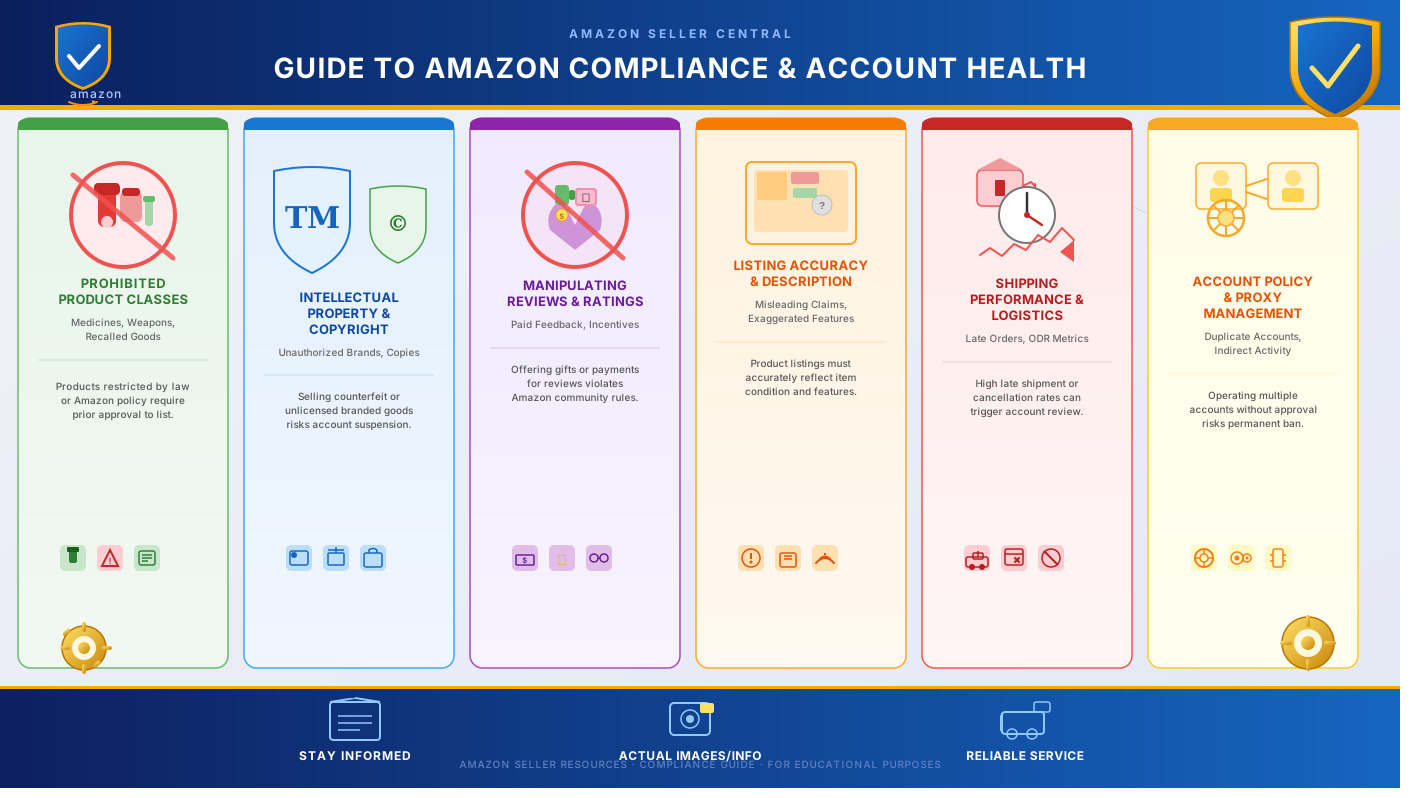
1. Restricted or Prohibited Products
Selling some products may need special permission, while some may be completely banned for sale.
Restricted or Prohibited Product Examples:
- Selling unsafe or hazardous goods
- International or counterfeit goods
- Over the counter drugs
- Cosmetics
- Health supplements
- Expired products
How To Prevent This:
- Review Amazon Restricted Products
- After reviewing, ensure products comply and never list without permission.
2. Violations of Intellectual Property (IP)
Trademark, copyright, and patent violations are highly regarded and easily disciplineable. Even one IP complaint can greatly harm the health of the seller account.
Examples of IP Violations:
- Use of copyrighted photos.
- Listing of counterfeit items.
- Listing of branded products without commercial authorization.
- Cross-services violations.
- Trademark misuse in titles or descriptions.
Best Practices:
- Use original photos and materials.
- Complete validation on the products.
- Keep legal documents on dispositional products.
3. Tampering of Reviews or Ratings
Amazon has a zero tolerance policy for coercive or falsified reviews. Regardless of the methods used, the seller account becomes tarnished and may ultimately be suspended.
Here are some more ways to manipulate reviews:
- Getting family and friends to write reviews
- Positive reviews in exchange for a discount.
- Phony review services.
- Consumers are forced to change bad reviews.
- Review writing using multiple accounts.
Safe Review Strategy:
- Only ask for honest reviews.
- Request a review is part of Amazon.
- Services should be improved.
4. Misleading/Misrepresenting Product Listings
Misleading product listings create complaints and a negative customer experience.
Most Common Violations:
- Misleading product information.
- Stuffing Keywords.
- Category errors.
- Misleading images or titles.
- Bundles have wrong variations.
How to Improve and Remain Compliant:
- Write true descriptions.
- Use the correct images.
- Use correct keywords.
- Constantly modify listing information.
5: Satisfactory Order and Shipping
Sellers on Amazon must provide their customers a pleasant shopping experience with timely and reliable order fulfillment.
Performance Problems That Pose Risks:
- Late shipments
- Empty cancellation rate
- Invalid tracking
- Delivery delays
- High ODR
Strategies to Avoid Amazon Suspensions and Keep Your Store Safe & Profitable
To run an Amazon store, getting sales is only one aspect of it. You must know how to protect your seller account and gain the customer’s trust, because a lot of sellers violate policy, and as a result, lose their account. Fortunately, a lot of these issues are resolvable with the right steps. Here are the some strategies we believe will help with all of the problems involved with keeping your Amazon account compliant, safe, and profitable.
1. Amazon Policies and Seller Guidelines
To ensure buyer protection and standardization of quality, Amazon maintains a robust system. Neglect precautions may result in account suspensions, product listings being removed, or receiving warnings and alerts.
Recommended Actions:
- Regularly read the Amazon policy framework
- Be on the lookout for changes in the framework
- No false claims on products
- Stop black hat activities
- Be vigilant with Amazon review policies
2. Keep Your Account Health Metrics High
The Dashboard Health Directives shows oversight. Some of the indicators could lead to a shutdown of your account.
Essential Metrics to Keep an Eye On:
- Order Defect Rate (ODR)
- Late Shipment Rate
- Cancellation Rate
- Valid Tracking Rate
- Customer Feedback Rating
Pro Tips:
- Daily Account Health Check
- Quickly Address Customer Problems
- Keep Performance Notices in View
3. Craft Accurate and SEO-Optimized Listings
Misleading or incorrect product listings lead to complaints and returns and are a violation.
Optimizing Your Listing:
- Have Clear and Accurate Product Titles
- Include Pictures of the Product
- Construct Bullet Points that are Readable
- Include Keywords
- Avoid Keyword Stuffing and Lie
Things You Should Avoid:
- Picking the Wrong Product Variations
- Untruths and Exaggerated Product Features
- Using Poor Quality Images
- Leaving Out Product Information
4. Make Sure Customer Support is Fast and Professional
One of Amazon’s top priorities is Customer Experience. If your communication is poor, your account health will suffer.
Customer Service Dos:
- Write Back to Messages Within 24 Hours
- Be Professional When Handling Returns
- Be Fast When Offering Solutions to Buyers
- Be Polite Always
- Take Care of Complaints so they Don’t Escalate
5. Balancing Inventory and Shipping
Shipping and inventory challenges create havoc with Seller Performance and Customer Satisfaction.
Inventory Management Strategies:
- Keep stock levels updated
- Avoid overselling products
- Forecast inventory before peak seasons
- Monitor fast-selling items regularly
Shipping Best Practices:
- Ship orders on time
- Upload tracking details immediately
- Use reliable shipping partners
- Set realistic handling times
6. Avoid Intellectual Property and Policy Violations
Trademark and copyright complaints are among the biggest reasons sellers face account problems.
How to Stay Protected:
- Sell authentic products only
- Avoid using copied images or content
- Verify brand permissions before selling
- Keep supplier invoices organized
- Use original product descriptions
Final Thoughts
Amazon selling is truly about maintaining a healthy account on the seller side of the business. Compliance along with strong account management is key for long term success which will build sales and rankings. Small violations may lead to account suspension.
A seller’s growth on Amazon accounts for their ability to monitor their account’s health, keep their Amazon account in compliance and their inventory steady, and focus on the customer. Shortcuts and risk strategies are not the best approach. Keeping these factors in mind and Amazon’s policies allows the seller to stay active and compliant while reducing suspensions. Risk strategies create even riskier suspensions and account closings. This will keep their business compliant, safe, and continue to provide profit.